
Rixos Tersane Istanbul: The Golden Horn and the Reinvention of a Historic Waterfront
By Stay & Sight Editorial Desk
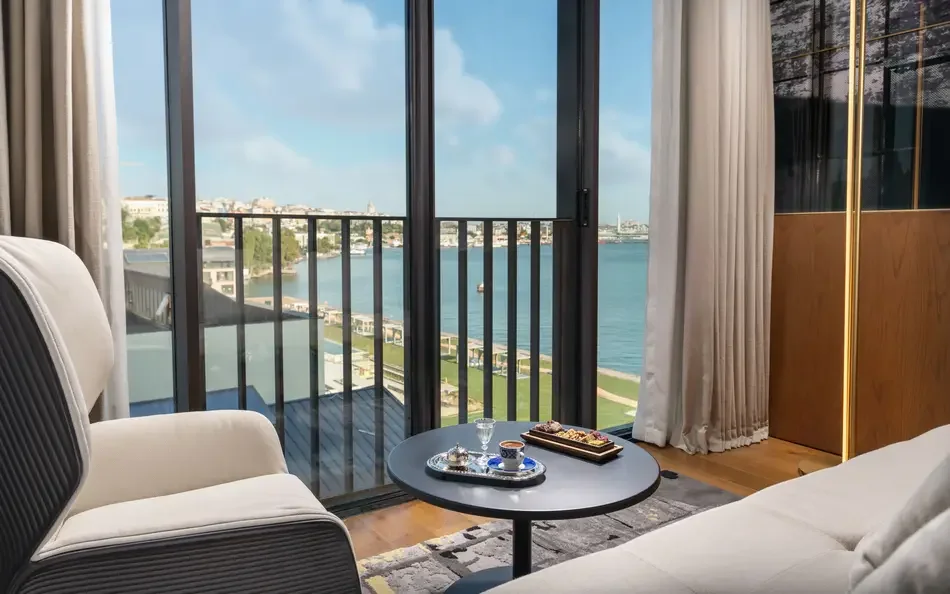
The Architecture of a Changing Waterfront
The defining feature of Tersane Istanbul is its relationship with the shoreline. The water is not an incidental backdrop; it is the geographical reason the shipyard developed here in the first place.
The wider development extends along a substantial stretch of the Golden Horn, combining restored industrial heritage with contemporary buildings and new public-facing spaces. This places it within a broader conversation about how cities can reuse historic waterfronts while introducing new forms of urban life.
For visitors, the result offers a different perspective on Istanbul. Across the water, the historic peninsula forms part of the city’s familiar silhouette. Along the Golden Horn, however, the built environment reveals a more industrial and working history, one often overlooked by travellers concentrating on the city’s monumental landmarks.
This distinction is important. Architectural heritage becomes meaningful when it helps explain a place, rather than merely providing an attractive setting for contemporary consumption.
The Golden Horn’s identity has always been connected to movement, production and exchange. Its emerging role as a destination for hospitality and leisure represents a new chapter in that history.
The challenge is to allow these different identities to coexist.
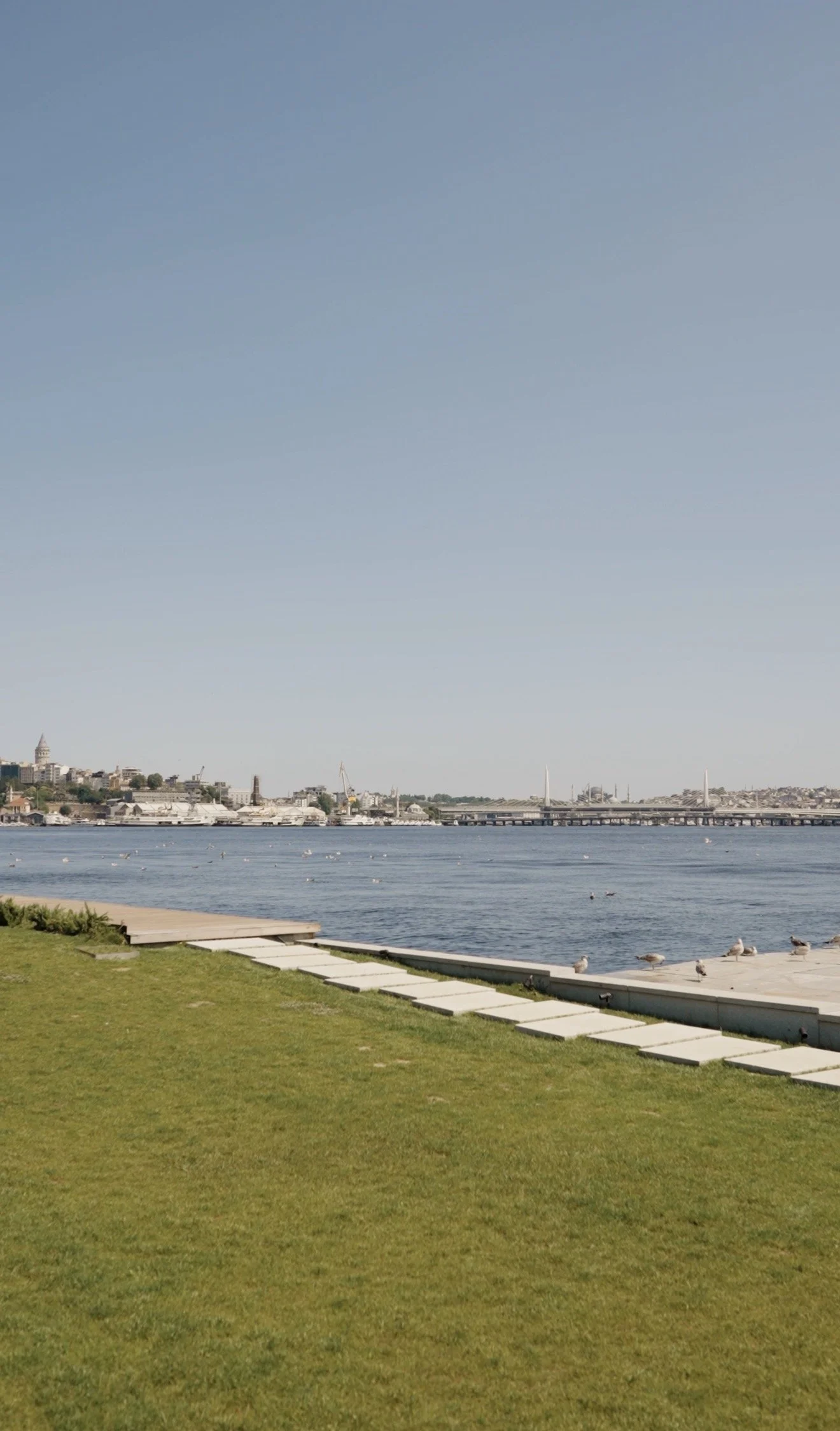
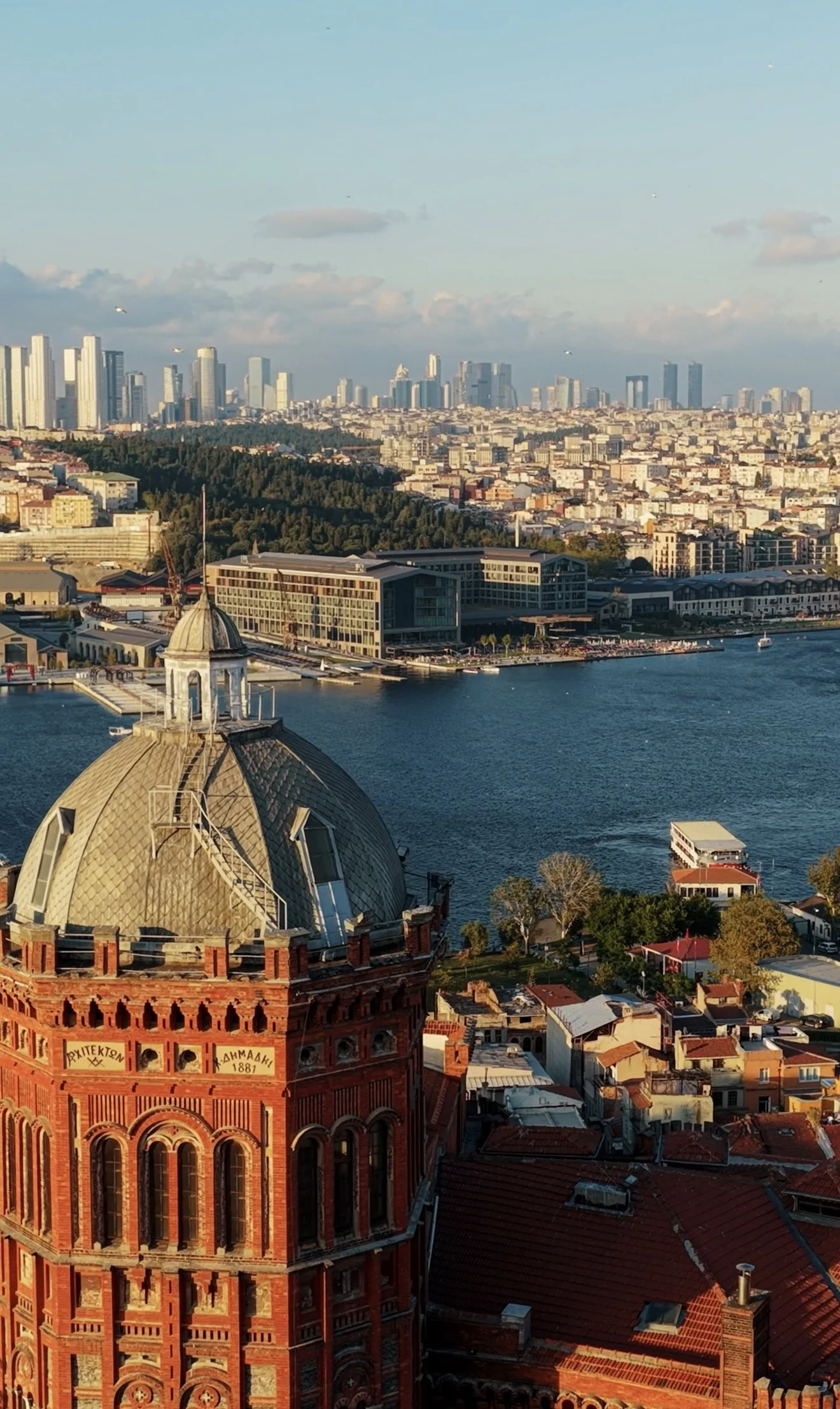
Istanbul is a city best understood through its layers. Empires have risen and receded, trade routes have shifted, and entire neighbourhoods have changed their purpose, yet the water remains central to the city’s identity. While the Bosphorus dominates the familiar image of Istanbul, the Golden Horn reveals another story: one shaped by shipbuilding, commerce and the relationship between the city and its maritime past.
On its historic shores, Rixos Tersane Istanbul occupies a setting where this industrial legacy meets contemporary hospitality. Part of the wider Tersane Istanbul development, the hotel brings modern accommodation and leisure facilities to an area whose history extends back to the Ottoman Imperial Shipyard, established in 1455.
The appeal of this address lies not simply in its waterfront position, but in the larger transformation taking place around it. Here, the question is how a historic industrial landscape can accommodate a new urban life without losing the significance of its past.
A Heritage Shaped by the Sea
The origins of the Imperial Shipyard, known as Tersane-i Âmire, date to the reign of Sultan Mehmed II. Over subsequent centuries, the complex became an important centre of Ottoman shipbuilding and naval production, reflecting the empire’s longstanding relationship with maritime power.
The Golden Horn was more than a picturesque harbour. It was a working landscape, where shipyards, workshops and commercial activity formed part of Istanbul’s economic and strategic life.
That history provides a meaningful context for the transformation of the waterfront today. Across the world, former industrial districts are being adapted for hospitality, culture and public use. Such projects inevitably raise a question: how can a place acquire a new purpose without becoming detached from the history that made it distinctive?
Tersane Istanbul offers one contemporary response. Its wider development incorporates historic shipyard structures into a mixed-use destination that brings together accommodation, dining, retail and leisure.
The value of this transformation should not be measured by architectural appearance alone. It also depends on whether the historical character of the site remains legible within its new setting. At the Golden Horn, the industrial past provides a narrative that a newly built waterfront destination could not simply recreate
Spatial Freedom: More Than Generous Interiors
Spatial freedom is the second principle through which Stay & Sight considers the relationship between architecture and the guest experience.
The size of a room matters, but dimensions alone do not determine how comfortable a space feels. Circulation, furniture placement, natural light, the relationship between functional areas and the availability of places to sit or work all contribute to a sense of ease.
The same principle extends beyond the guest room. A hotel’s public areas, wellness facilities and connections to its surroundings influence how naturally guests can move through the property.
At a waterfront destination, the relationship between private interiors and shared outdoor spaces becomes particularly important. The opportunity to move between a room, a restaurant, a wellness facility and the waterfront can give a stay a sense of openness beyond the physical dimensions of the accommodation.
Rixos Tersane Istanbul’s wider setting offers the potential for this interplay between retreat and movement. Yet spatial freedom is ultimately an experiential quality, not something that can be established through promotional photography alone.
The most useful assessment would consider how individual room categories function in practice and how easily guests can navigate the hotel and its surroundings.
This is where design becomes more than appearance. It begins to shape the rhythm of a stay.
Discovering the Golden Horn Beyond the Familiar Itinerary
A stay at Rixos Tersane Istanbul also offers an opportunity to approach Istanbul from a different geographical perspective.
The Golden Horn has long connected the city’s maritime, commercial and industrial histories. Today, its surrounding neighbourhoods reveal a complex urban landscape in which established communities, historic buildings and new cultural destinations coexist.
One notable example is İstanbul Sanat, which opened in 2024 within the historic Haliç Shipyard. The cultural venue brings exhibitions and artistic activity into a site whose original purpose was closely tied to shipbuilding and maritime production.
Its presence illustrates how industrial heritage can acquire a contemporary cultural role without losing its historical significance.
For travellers interested in architecture and the evolution of cities, this offers an additional reason to explore the Golden Horn beyond its views. The area can be approached as a landscape of changing uses, where the relationship between industry, culture and public life is still being negotiated.
The wider neighbourhoods of Beyoğlu also offer a perspective on Istanbul beyond the monumental landmarks that dominate first-time visits. Their streets, cultural institutions and everyday rhythms help reveal the city as a living environment rather than a collection of attractions.
Rixos Tersane Istanbul does not replace the experience of staying in Istanbul’s historic centre. Instead, it provides an alternative base from which to explore another part of the city’s identity.
Luxury in Context
The most interesting aspect of Rixos Tersane Istanbul is the relationship between the hotel and the place it occupies.
A historic address can lend a property character, but heritage alone does not guarantee a meaningful stay. The quality of the architecture, the sensitivity of the wider transformation, the organisation of interior spaces and the consistency of service remain essential.
Likewise, a waterfront location does not automatically promise tranquillity, and generous accommodation does not necessarily translate into spatial freedom. These qualities must be experienced and evaluated rather than assumed.
For the contemporary traveller, luxury increasingly involves the relationship between comfort, autonomy and a sense of place. Amenities matter, but so does the ability to experience a destination on one’s own terms.
In this respect, Rixos Tersane Istanbul presents an interesting proposition. Its hotel facilities sit within a historic waterfront district that is acquiring a new identity through hospitality, culture and urban regeneration.
The result is a property whose significance extends beyond its immediate interiors. Its setting invites consideration of how a city can preserve traces of its past while creating spaces for new forms of leisure and contemporary life.
The Stay & Sight Perspective
Rixos Tersane Istanbul is best understood as part of the Golden Horn’s continuing transformation.
The former Imperial Shipyard was shaped by the maritime ambitions of an empire. Its contemporary surroundings reflect a different set of priorities, bringing hospitality, cultural activity and leisure into a landscape once defined by industrial production.
For travellers interested in architecture, urban history and the changing character of Istanbul, this context gives the property a distinctive point of interest.
Its appeal lies in the intersection of heritage and contemporary hospitality: a waterfront address from which to consider not only where Istanbul has been, but also how it continues to evolve.
At Stay & Sight, we believe the most interesting places to stay do more than provide comfort. They offer a perspective on the world beyond their walls.
On the Golden Horn, that perspective begins with the water, the surviving traces of a maritime past and a city that continues to reinvent itself without entirely leaving its history behind.
Stay & Sight — A considered perspective on places worth experiencing.
Editorial disclosure: This article draws on published information about the historic shipyard, the wider Tersane Istanbul development and the hotel’s stated facilities. It is an independent, research-based editorial feature, not a first-hand review. Acoustic performance and room-specific spatial qualities have not been independently tested. Hotel facilities, opening arrangements and visitor access should be confirmed before travel.
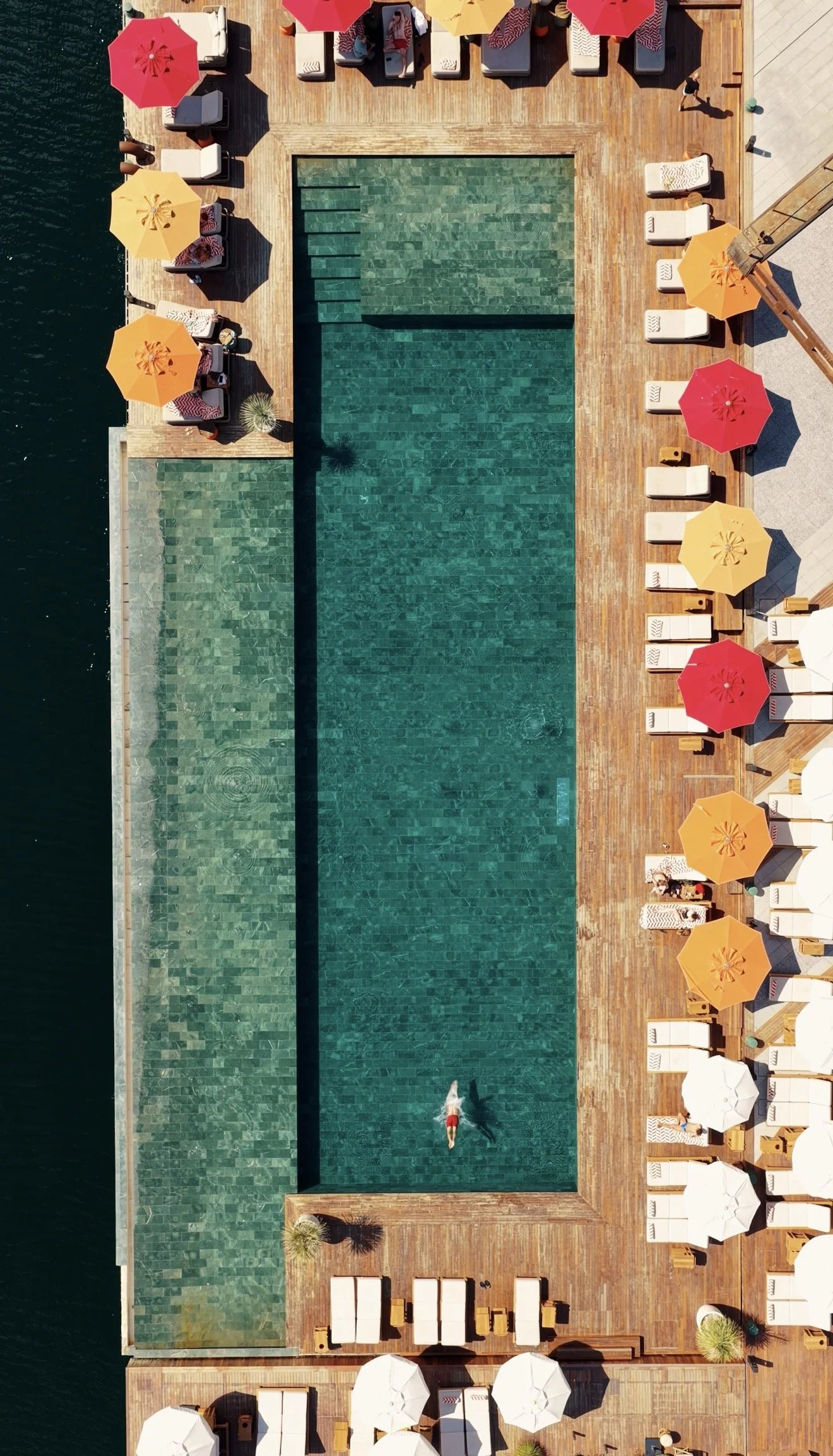
Rixos Tersane Istanbul: An Urban Resort
Within this evolving district, Rixos Tersane Istanbul introduces the amenities of a full-service luxury hotel. The property has 432 rooms, including 67 suites, and offers dining, wellness facilities, an infinity pool and experiences connected with its waterfront setting.
Its character is shaped by the combination of hotel and destination. Rather than standing apart from an established urban environment, it forms part of a larger development that is itself becoming a place to visit.
This creates an interesting distinction between an urban resort and a conventional city hotel. The former promises the convenience of a metropolitan location alongside opportunities to relax within the property. The latter often places greater emphasis on the city beyond its doors.
Rixos Tersane Istanbul occupies a position between these two models. Its resort-style facilities offer reasons to spend time at the hotel, while its location provides access to a wider cultural and historical landscape.
The balance between these experiences is central to its appeal. A successful urban resort should not require guests to choose between comfort and discovery. Instead, it should allow both to form part of the same stay.
The waterfront setting provides a strong foundation for that proposition. How fully the hotel delivers on it will ultimately depend on the quality of its spaces, service and guest experience.
Acoustic Privacy: The Luxury of Choosing What to Hear
At Stay & Sight, acoustic privacy is understood as the ability to establish a comfortable relationship with the sounds of one’s surroundings.
In a city as active as Istanbul, complete silence is neither realistic nor necessarily desirable. Street life, traffic, waterfront activity and the sounds of neighbourhoods are part of the experience of travelling through a major city.
The more relevant question is whether a hotel allows its guests to choose when to engage with that environment and when to withdraw from it.
For a waterfront property, this involves more than the view. Room orientation, glazing, sound insulation, internal circulation and the proximity of public areas can all influence the acoustic experience.
Rixos Tersane Istanbul provides a setting in which this principle is particularly relevant. Its position within a developing waterfront destination creates the possibility of moving between the activity of the wider district and the privacy of a personal interior.
That possibility should not be confused with a verified claim of exceptional sound insulation. Establishing the hotel’s acoustic performance would require first-hand observation or independent testing.
For Stay & Sight, the distinction matters. Acoustic privacy is not a decorative phrase to be attached to a luxury property; it is a criterion through which the actual quality of a stay can be assessed.