
The Unspoken Tuscany: The Untamed Elegance of Umbria’s Valnerina
By Stay & Sight Editorial Desk
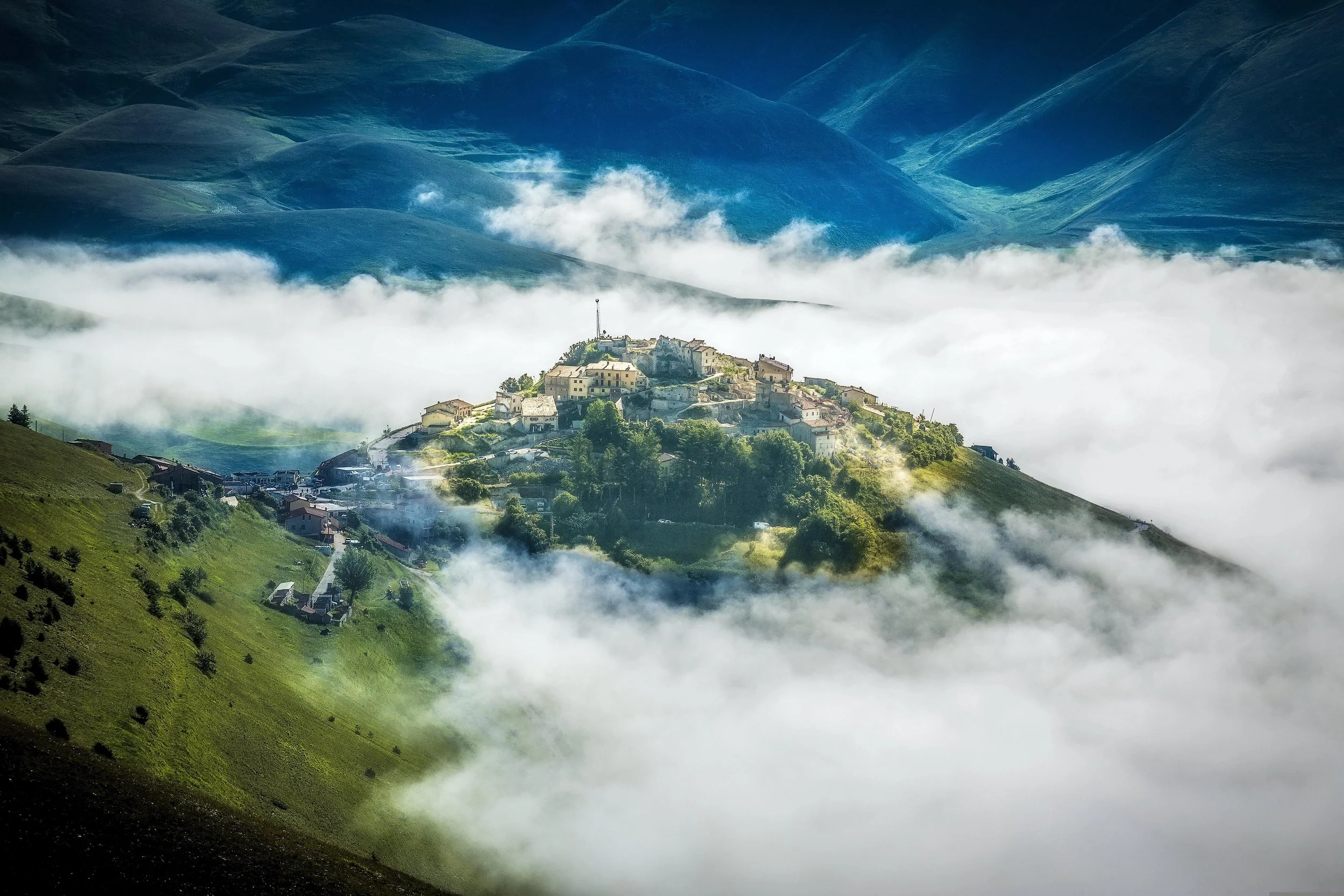
For decades, the global elite has gravitated toward the sun-bleached hills of Tuscany and the cliffside drama of the Amalfi Coast. Yet, as both destinations have gradually surrendered to high-density tourism and performative luxury, true connoisseurs of quietude have quietly shifted their gaze elsewhere.
Tucked within the green heart of Italy lies Valnerina—a secluded, mist-shrouded valley in southeastern Umbria carved by the winding Nera River.
While Tuscany is a carefully manicured stage, Valnerina remains delightfully untamed. It is a region defined by dramatic limestone gorges, dense oak forests, medieval monastic hideaways, and an acoustic silence so dense it feels almost tangible. For the traveler seeking profound spatial freedom and architectural authenticity, this is Italy’s last true sanctuary.
Architectural Sanctuary: Where to Stay
In a valley where modern concrete has never found a foothold, the finest accommodations are born from historical restoration and deep respect for medieval stone masonry.
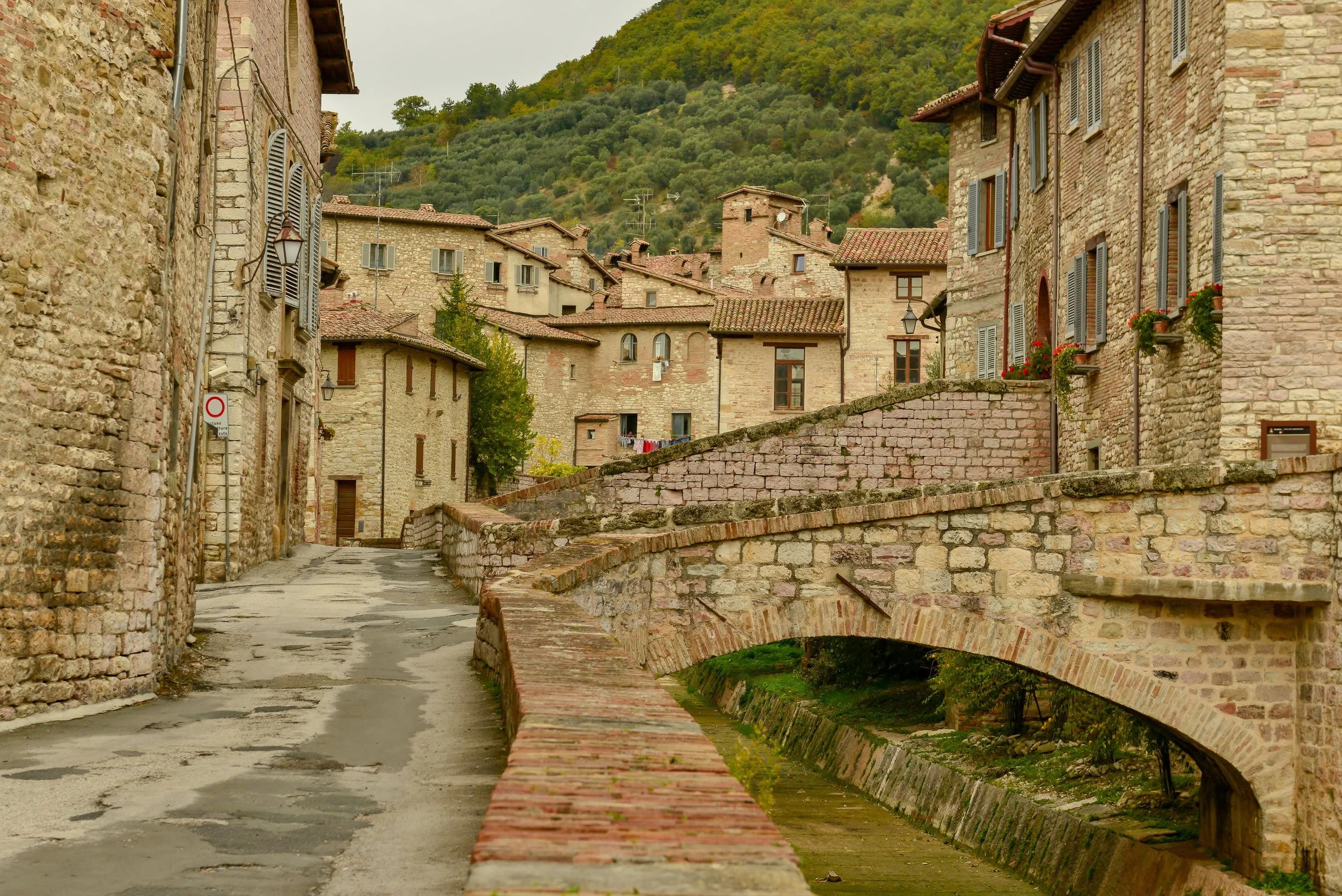
There is a precise moment, just as the afternoon light fractures through the cedar canopy along the banks of the Dordogne River, when time in Aquitaine simply ceases to move.
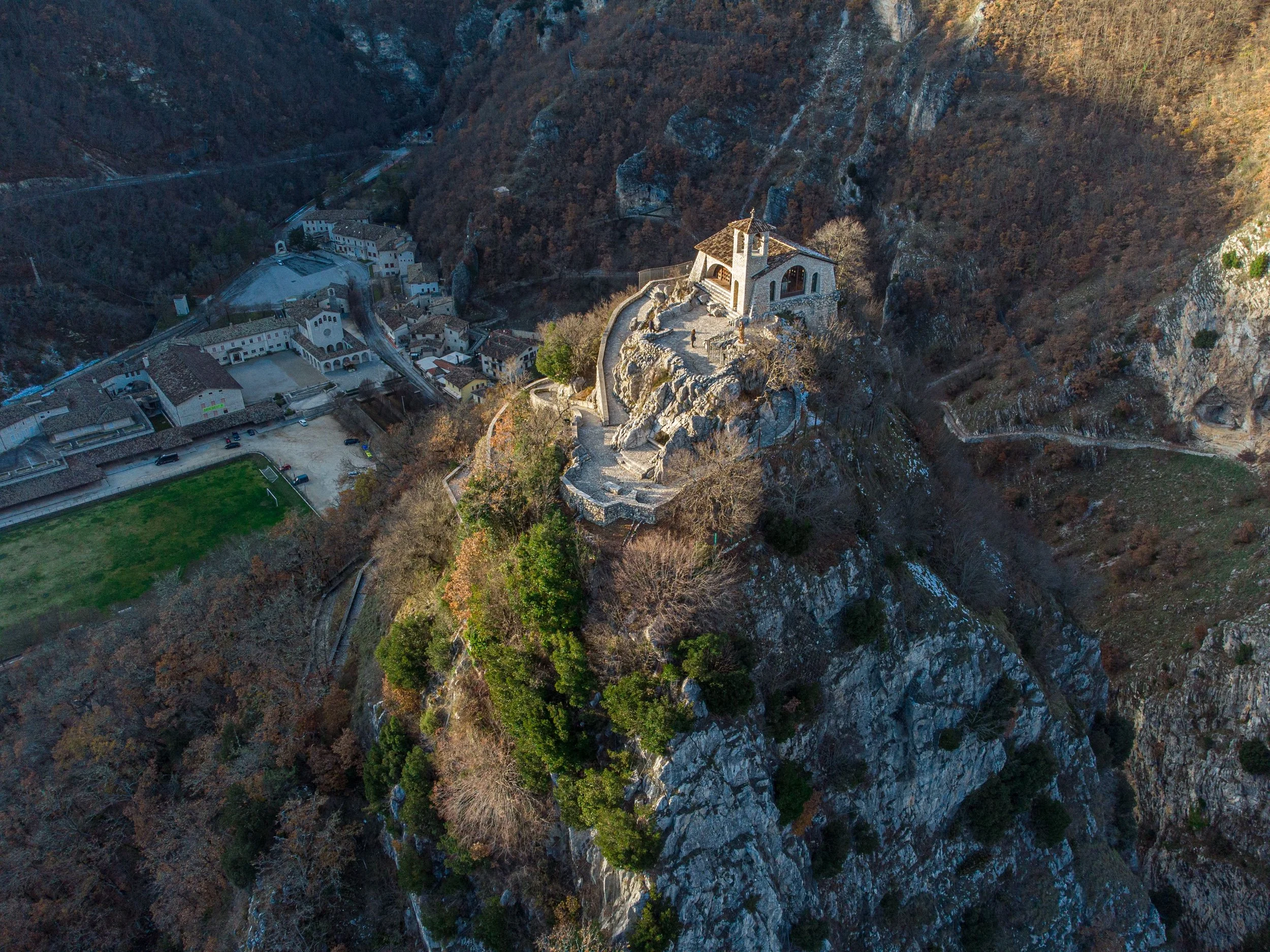
High above the waters of Saint-Jean-de-Blaignac, carved into the limestone bedrock that has nourished southwestern France’s most celebrated terroirs for centuries, sits Château de Courtebotte. Built in 1604, this 17th-century estate does not demand your attention with the pomp of commercial wine châteaux or the manicured rigidity of grand historical monuments. It whispers.
For the modern global elite—those who have traversed the world’s grandest suites only to find themselves fatigued by performative luxury—Courtebotte presents something infinitely rarer: uncompromised spatial freedom, deep acoustic privacy, and absolute sanctuary.
The Geography of Solitude: Where Limestone Meets River
To understand Château de Courtebotte, one must understand the unique geography of the Dordogne valley. Positioned just fifteen minutes from the UNESCO-protected medieval steeplechase of Saint-Émilion, the estate sits at an elevation that catches both the cool morning river mists and the warm evening drafts that sweep across the Gironde’s finest clay-limestone soils.
Here, luxury is defined by geography. The estate is enclosed by acres of private woodland, ancient orchards, and terraced gardens that cascade toward the riverbed. It is a micro-climate of silence.
While Saint-Émilion’s cobbles swell with daytime wine connoisseurs, Courtebotte remains insulated within its own biosphere. You are minutes away from Pomerol’s mythical cellars and Château Pétrus, yet suspended in an environment where the only ambient audio is the river wind moving through historic stone.
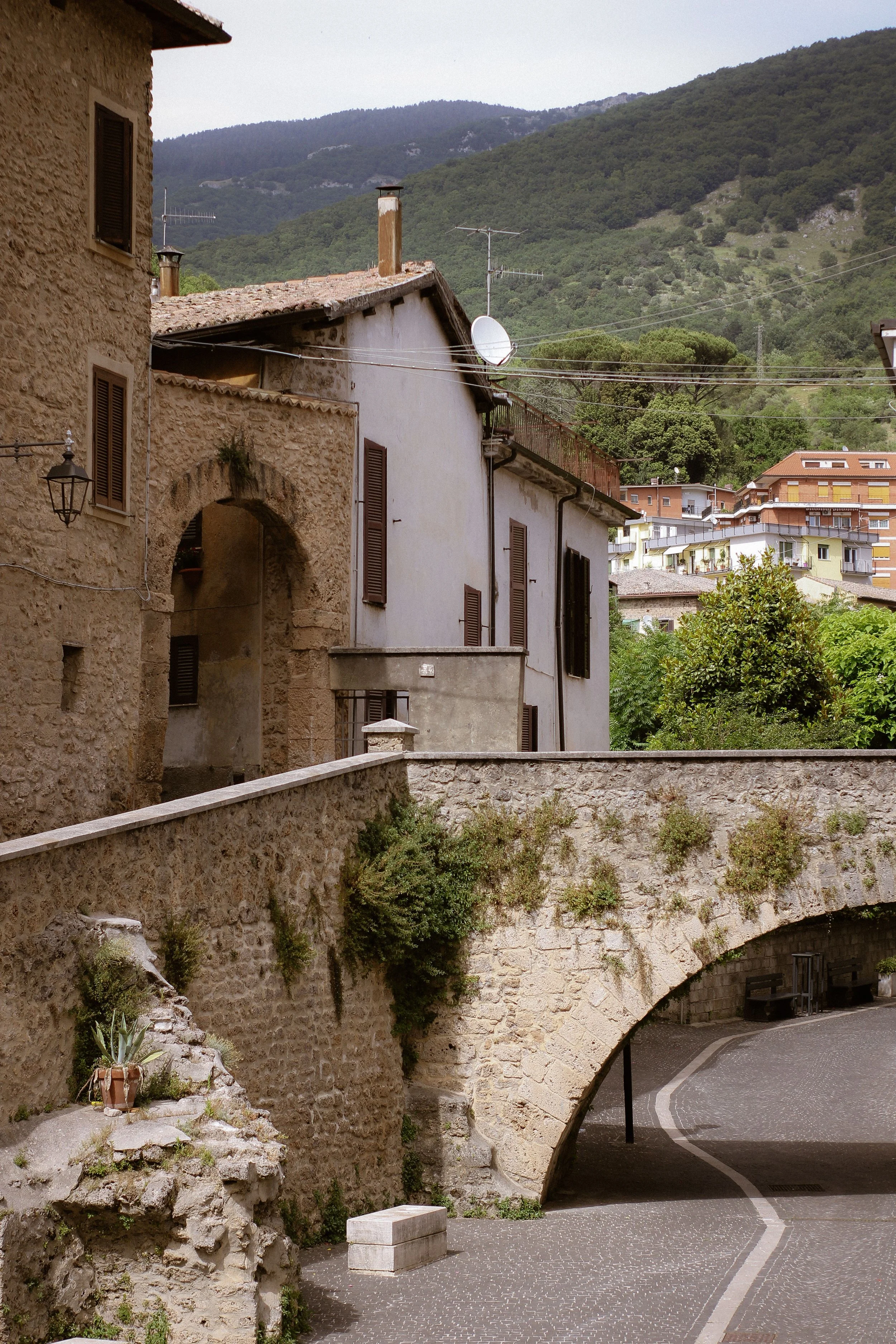
1. Vocabolo Fico (Montecchio)
A former 14th-century monastery reimagined through a lens of contemporary architectural editing. Located on the edge of the valley, Vocabolo Fico merges original terracotta and hand-cut stone with bespoke Scandinavian-Italian minimalism.
The Experience: Soaring ceilings, private gardens framed by ancient fig trees, and an atmosphere centered on absolute acoustic privacy.
2. Castello di Reschio (Umbrian Border)
Positioned on the crest of the hills overlooking the valley, this 1,000-year-old castle estate is a masterclass in spatial integrity.
The Experience: Secluded stone farmhouses scattered across thousands of acres of wild oak forest, offering total isolation with private pools seamlessly integrated into ancient ruin walls.
Regional Culinary Heritage: Where to Dine
Gastronomy in Valnerina is not defined by Michelin stars or theatrical presentation; it is an intimate expression of the land’s ancient yield—most notably, the world’s most coveted Black Norcia Truffle (Tuber melanosporum).
1. Ristorante Vespasia (Norcia)
Situated in the historic heart of Norcia, Vespasia represents the pinnacle of regional culinary heritage. The kitchen transforms wild mountain produce, heirloom legumes, and local game into precise, modern culinary art without sacrificing the soul of Umbrian comfort.
The Highlight: Hand-rolled strangozzi pasta served with generous, fragrant shavings of fresh black truffle, paired with a deep, earthy Montefalco Sagrantino.
2. Trattoria del Cacciatore (Poggiodomo)
For an unpretentious, deeply authentic dining experience, this hidden hamlet trattoria serves rustic perfection.
The Highlight: Slow-cooked wild boar ragù, wood-fired seasonal vegetables, and house-cured Norcineria meats served on a stone terrace overlooking the deep forest canopy.
The Verdict for Stay & Sight
Valnerina is a masterclass in the poetry of restraint. It does not try to impress; it simply exists in a state of timeless, architectural grace.
              [ STAY & SIGHT EVALUATION MATRIX ]
ACOUSTIC PRIVACY     ★★★★★  (Deep Valley & Forest Isolation)
SPATIAL FREEDOM      ★★★★★  (Pristine Natural Terrain)
REGIONAL CUISINE     ★★★★★  (Black Truffle & Authentic Textures)
ARCHITECTURAL UNITY  ★★★★★  (14th-Century Stone Restoration)
— Stay & Sight Editorial Desk