
The End of the Mega-Resort: Why Ultra-Luxury Is Capping Its Key
By Stay & Sight Editorial Desk
The Proof in the 2027 Pipeline
This architectural movement is not a temporary trend; it is the structural benchmark for the world's most anticipated hospitality developments. A look at the upcoming European heritage pipeline reinforces this transition:
Anantara Royal Vila Viçosa Resort (Alentejo, Portugal): Transforming a 16th-century monastery in Portugal’s marble capital into a sanctuary of just 76 keys, immersed in Alentejo’s olive groves.
Rosewood Milan (Milan, Italy): Capping its inventory at 89 keys within two historic 18th-century palazzi in the Brera district, creating an acoustic oasis in the heart of the design capital.
Six Senses Loire Valley (France): Spanning 1,400 acres within the historic Les Bordes Estate, dedicating immense natural grounds to only 88 private suites and villas.
For decades, hospitality was governed by scale. Grand central lobbies, endless room corridors, three-hundred-key mega-resorts, and sprawling pool decks were celebrated as the pinnacles of luxury hospitality. Yet, in the era of hyper-connectivity and acoustic overload, the definition of privilege has fundamentally shifted.
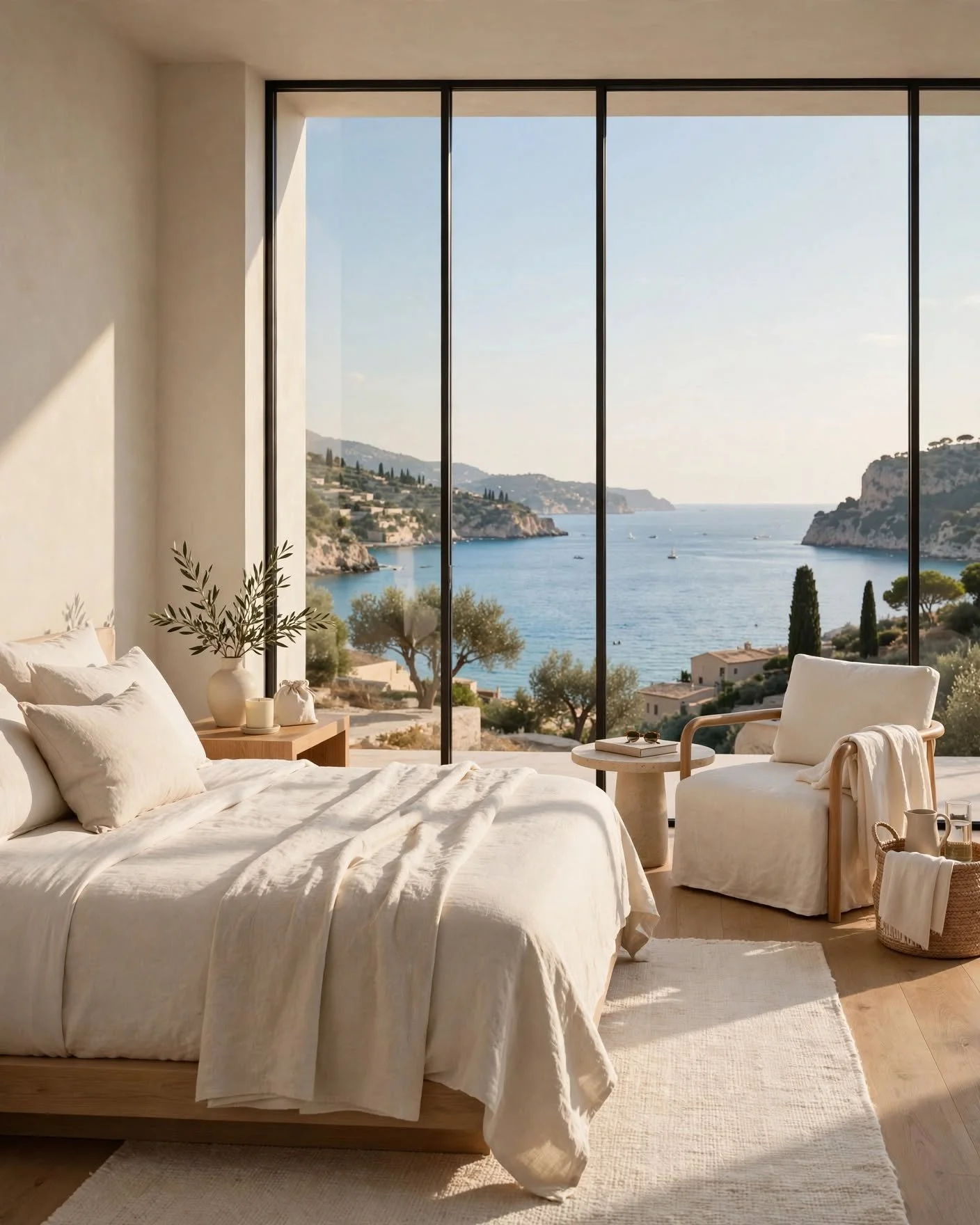
Today’s most discerning travelers are no longer seeking abundance; they are seeking isolation, spatial freedom, and uncompromised acoustic privacy.
As global tourism expands, the ultra-luxury hospitality sector is quietly executing a strategic retreat toward managed scarcity—intentionally restricting room capacities, restoring heritage sanctuaries, and prioritizing high guest-to-land ratios over operational volume.
The Paradigm Shift: Key Count as a Metric of Isolation
In contemporary luxury, every additional key added to a resort dilutes the experience proposition. High room counts inevitably lead to shared friction points: crowded breakfast verandas, ambient noise in hallways, compromised service velocity, and the subtle breakdown of personal privacy.
World-leading luxury hotel brands and architectural houses are now designing under a strict new doctrine: fewer keys, vastly more space.
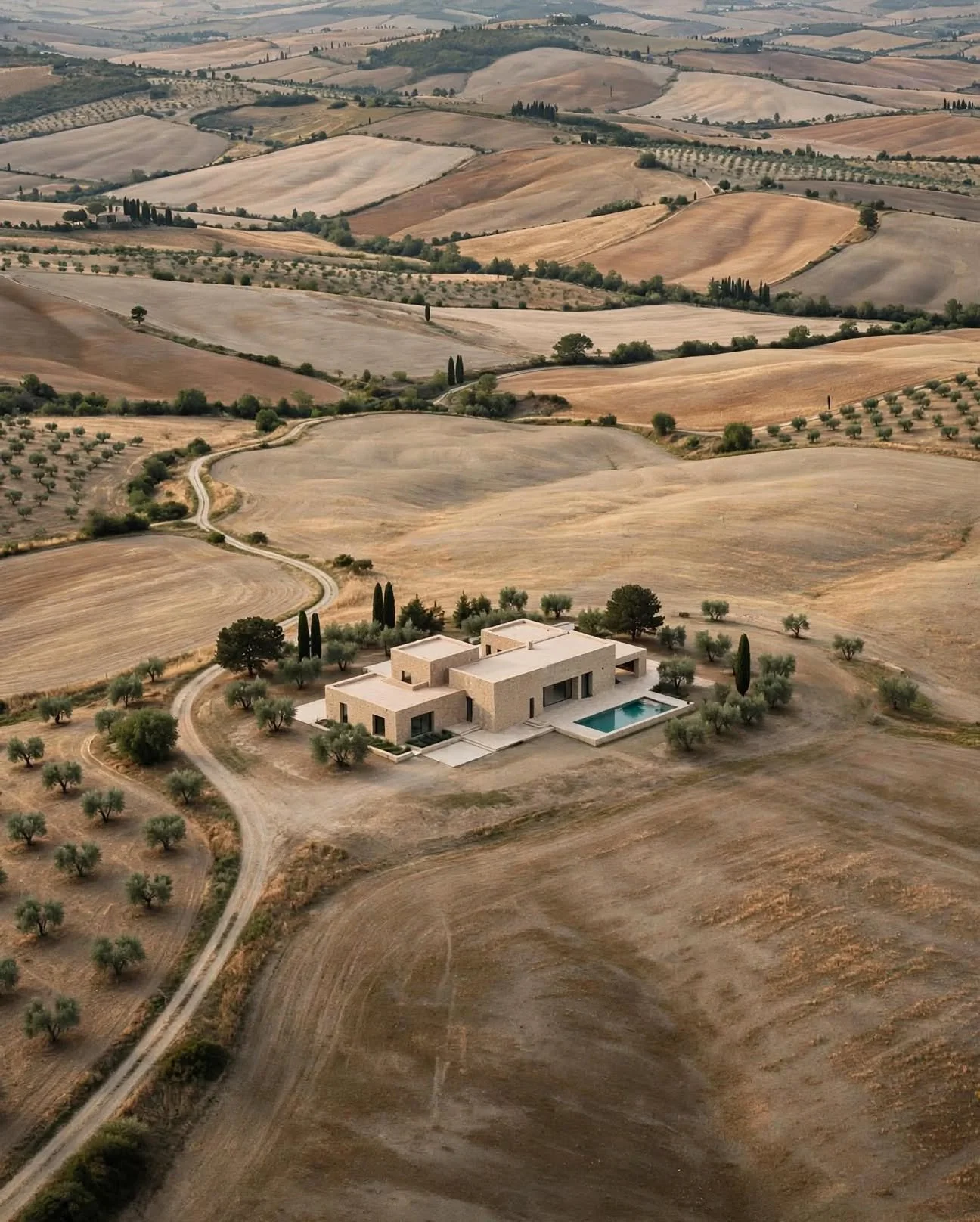
The Low Guest-to-Land Ratio: Properties are expanding horizontally rather than vertically. Restoring centuries-old monasteries, sprawling vineyards, or historic urban palazzi allows brands to dedicate hundreds of acres to a mere 40 or 80 suites.
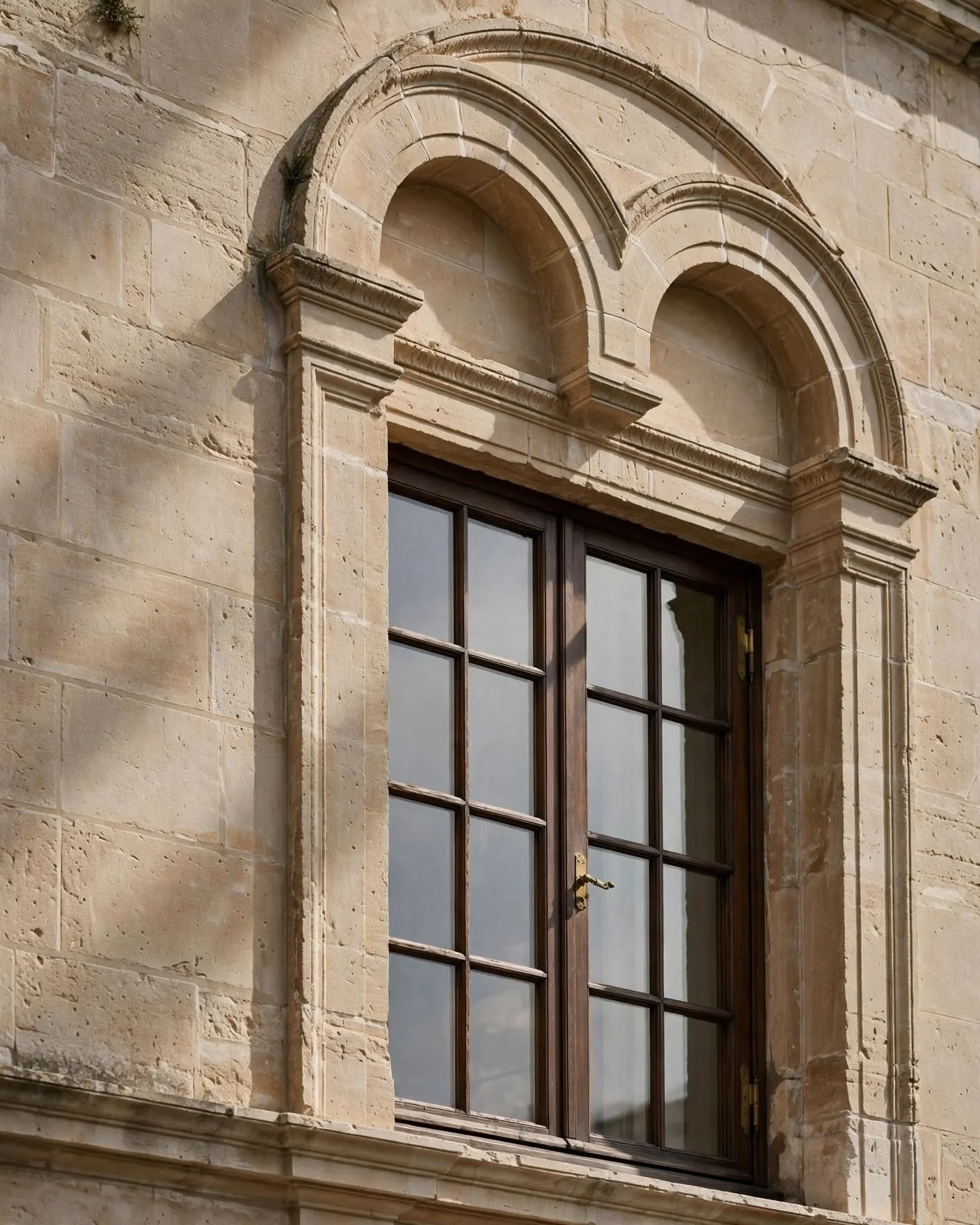
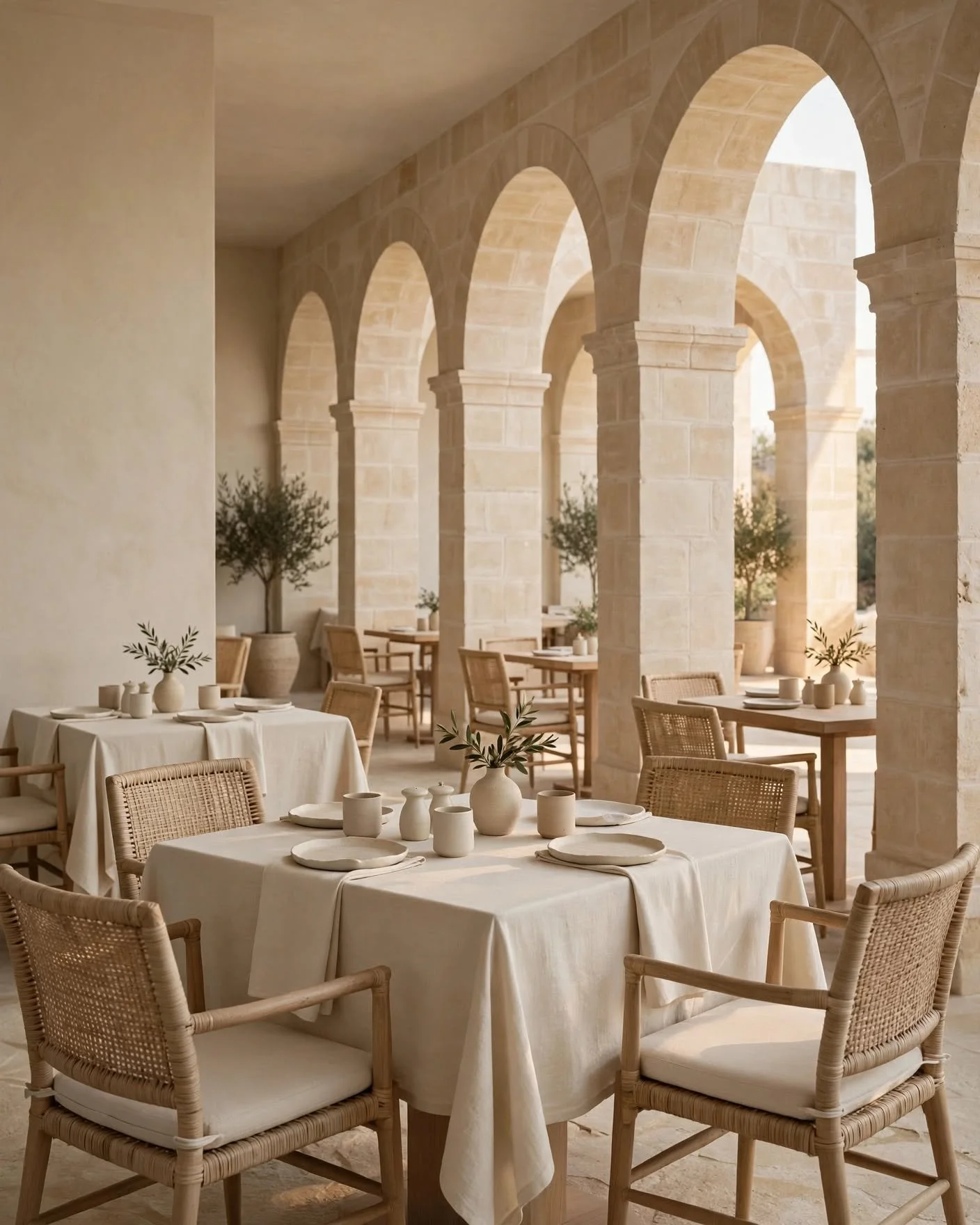
Acoustic Privacy by Design: In low-density properties, soundscapes are curated as rigorously as interior design. Heavy limestone walls, insulated garden courtyards, and generous spatial buffer zones guarantee absolute stillness.
Hyper-Personalized Frictionless Service: With fewer rooms, hospitality shifts from standardized service scripts to intuitive, unscripted care—where staff ratios allow for effortless anticipation of guest needs.
The Ultimate Luxury: Spatial Freedom
When hospitality strips away the noise of crowd-heavy mega-resorts, what remains is the purest form of luxury: time, silence, and spatial freedom.
As we look toward the future of European travel, true prestige will no longer be measured by how many guests a resort can welcome, but by how completely it can shield those inside from the outside world.
Stay & Sight Editorial Desk